English
At St. Clare’s we aim to provide children with a broad and balanced English curriculum. We have adopted an exciting thematic approach to English which integrates speaking and listening, reading and writing skills.
The four strands of Speaking and Listening: Speaking; Listening; Group Discussion and Interaction, and Drama permeate the whole curriculum. Interactive teaching strategies are used to engage all pupils in order to raise reading and writing standards. Children are encouraged to develop effective communication skills in readiness for later life.
Pupils learn to speak clearly and think about the needs of their listeners.
The children work in small groups and as a class to contribute to and lead discussions in a range of contexts. The children share relevant points, ideas and justify their decisions. The children also learn to listen carefully to what others have said in order to respect their point of view and summarise what has been discussed.
The children are encouraged to use language in imaginative ways and to express their ideas and feelings throughout role-play and drama activities.
At St. Clare’s we encourage children to read for interest and pleasure with a view to them becoming lifelong readers. We share high quality intriguing texts as a class and in groups.
Initially pupils are taught to decode words phonetically and recognise high frequency words within sentences, using Red Rose phonics as our main scheme. The children comment on what they have read and respond in a variety of different ways. As their fluency and accuracy develops the children read a range of challenging texts.
The children are encouraged to analyse the text in more detail, reflecting upon author choices, themes and the use of language.
Writing has a significant role within the English curriculum at St. Clare’s. The children are taught to recognise that writing is an essential tool that can be both enjoyable and useful. The children are encouraged to write in a variety of different text types across a range of curriculum subjects.
Pupils are taught to spell and punctuate accurately using neat legible joined handwriting. The children learn the main rules and conventions of written English and start to explore how the English language can be used to express meaning in different ways. They use the planning, drafting and editing process to improve their work and to sustain their fiction and non-fiction writing.
Key Learning in Reading
Key Learning in Writing
.png)
Related News
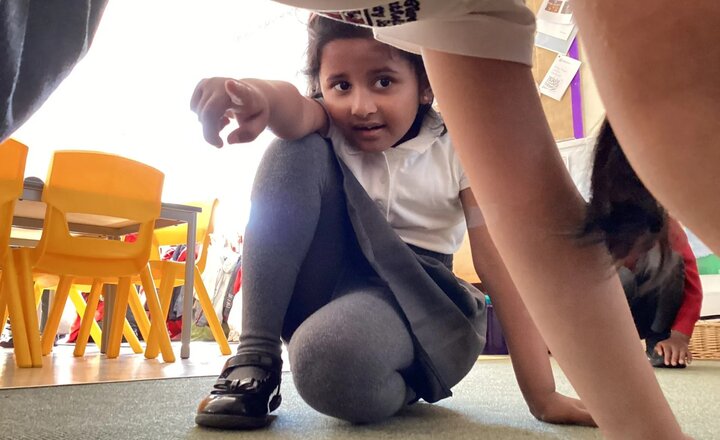
Stories, Stats and Splashes!

From Whales to Woodland!
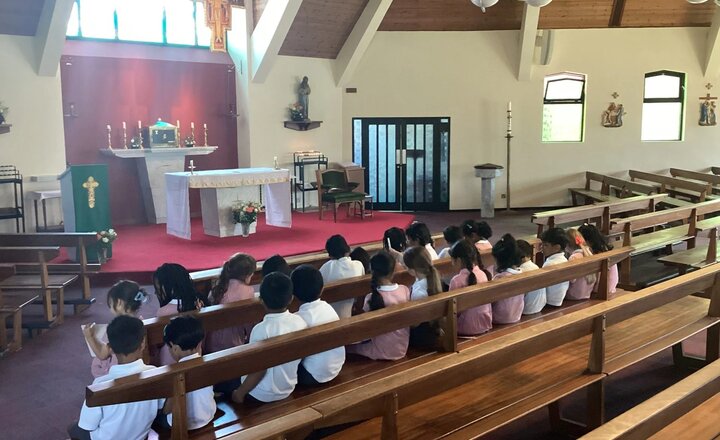
What a Week in Hazel Class!
Related Blog Posts
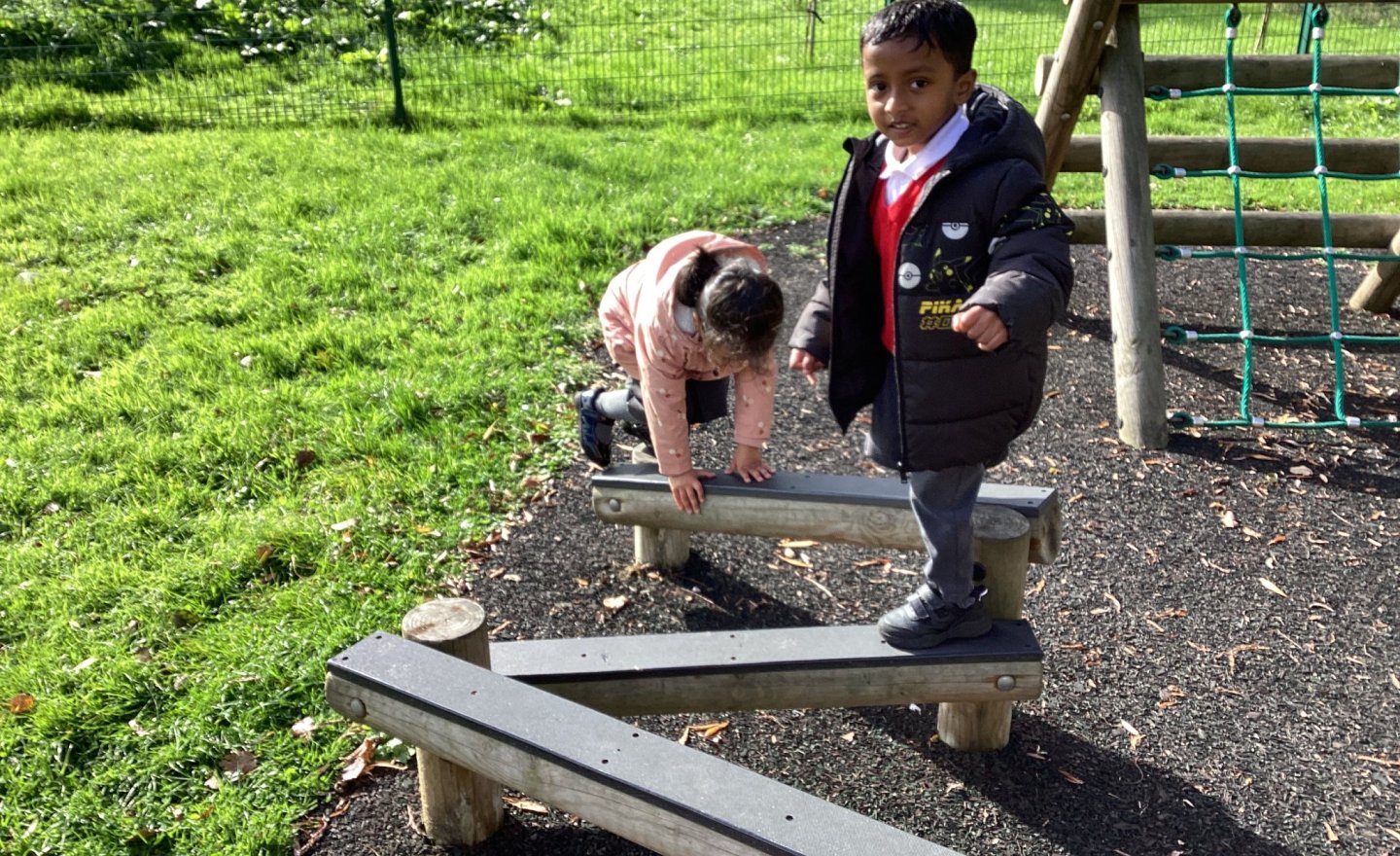
Our growth
This week in Saplings, we have been thinking about how much we have changed from being babies to becoming the wonderful 3 and 4-year-olds…
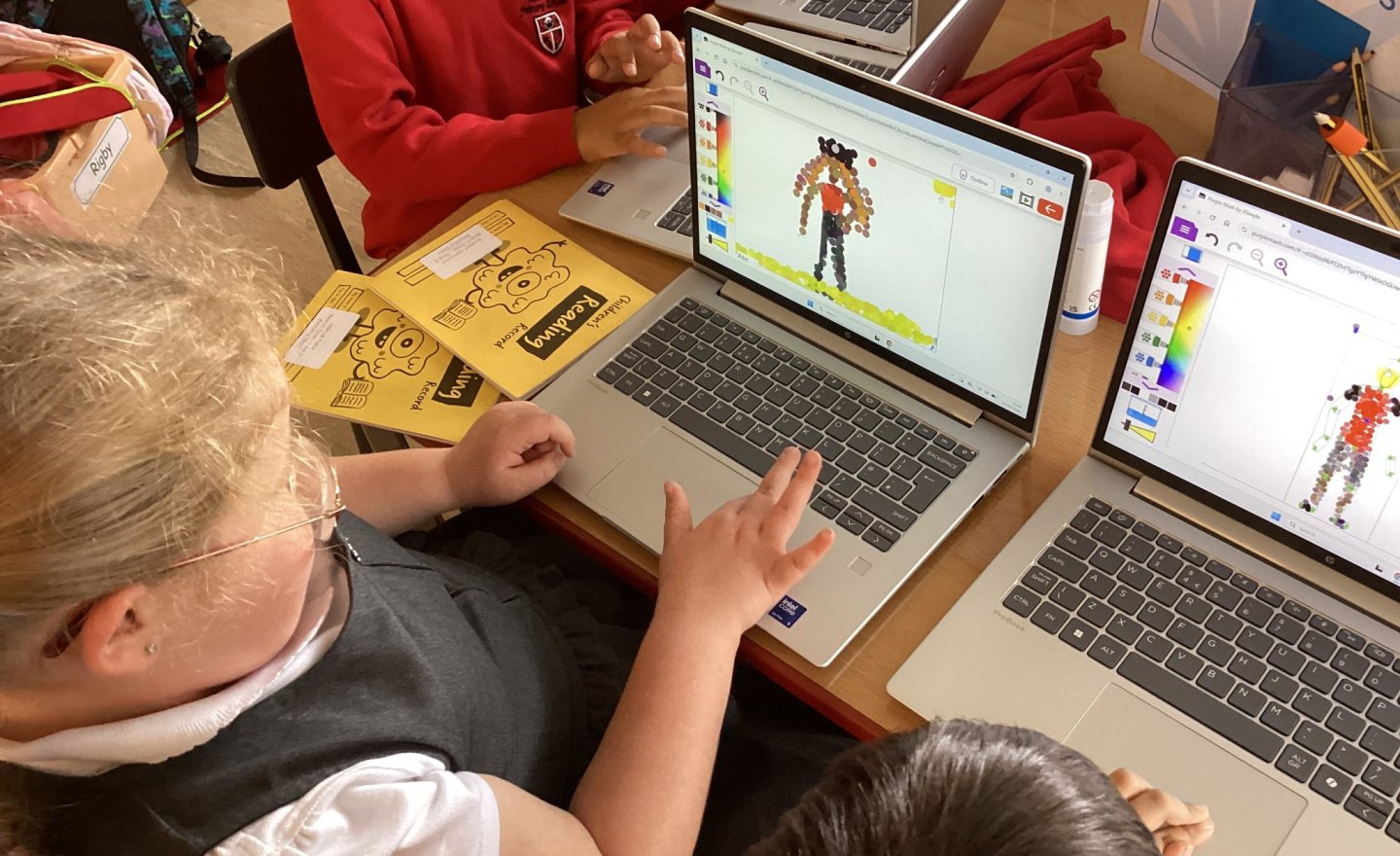
A busy week in Beech
What a busy week we have had this week.
Mrs Calman came in to sing with us on Monday and we began learning our Harvest songs. Next week we will learn a pirate shanty.
We enjoyed computing this week, creating a pirate picture using the Pointillism style. There were lots of great…
Election Fever in Year 6
It has been a very exciting week in Year 6 as we took part in our school elections!
A huge congratulations to all of our Year 6…


