Computing & Online Safety
“Everyone in this country should learn how to program a computer... because it teaches you how to think”
— Steve Jobs
.png)
Intent
Our computing curriculum is designed to equip children with the knowledge, skills and understanding they need to thrive in a rapidly changing digital world. From EYFS through to Key Stage 2, children develop computational thinking, creativity and digital literacy, enabling them to become confident, responsible and capable users of technology. Using Purple Mash as our core scheme of work, supported by Teach Computing, Scratch and STEM units, we deliver a well-sequenced curriculum that builds both substantive knowledge (the facts, concepts and vocabulary of computing) and disciplinary knowledge (how to think, work and solve problems like a computer scientist). Our intent is that all children can use technology safely, purposefully and creatively to support learning across the curriculum and prepare them for future education, employment and life in a digital society.
Implementation
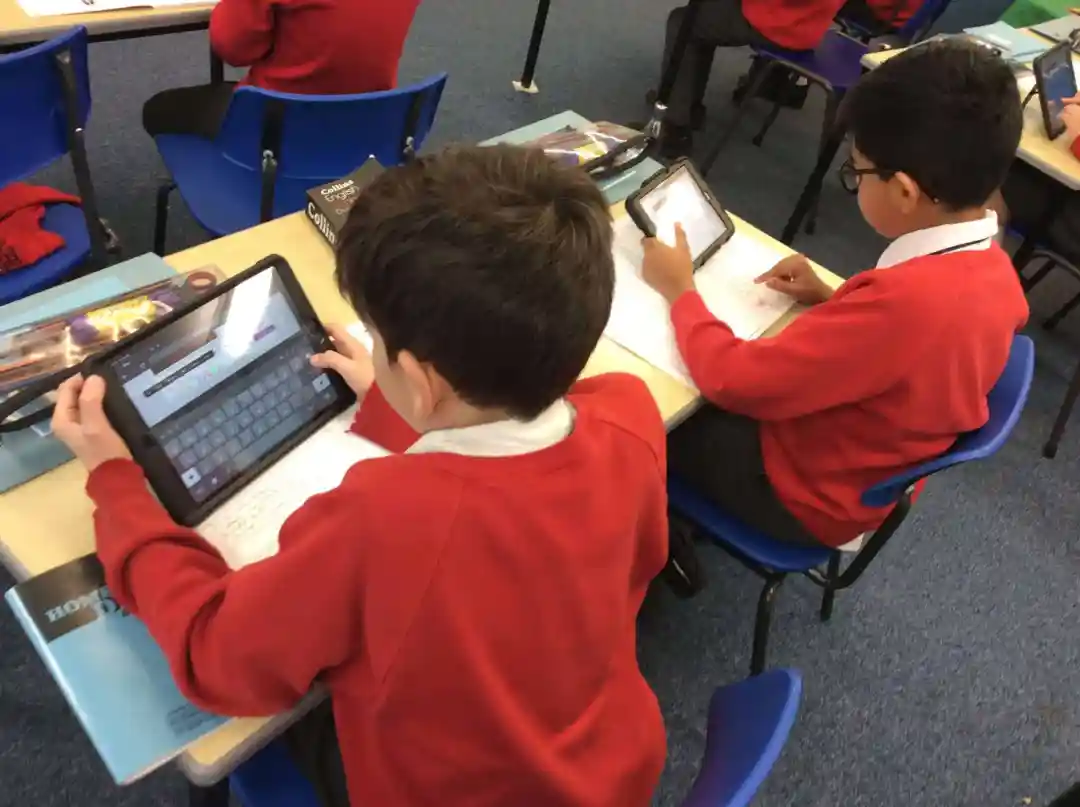
Computing is taught from EYFS onwards to ensure children enter Key Stage 1 with a secure foundation in using technology as a tool for learning, problem-solving and creativity. In the early years, children use technology to explore, create, collaborate and begin to understand online safety. In Key Stage 1, children learn the basics of algorithms, programming, logical reasoning and digital content creation, alongside safe and respectful technology use. In Key Stage 2, children build on this knowledge by designing, writing and debugging programs, understanding networks and the internet, evaluating digital content, and applying information technology to create purposeful programs and systems. Purple Mash provides a progressive, structured pathway, breaking learning into small steps that increase in complexity, while teaching ensures clear modelling, repetition, retrieval and opportunities to apply learning across subjects. Online safety is woven throughout the curriculum and reinforced regularly to ensure children know how to stay safe and seek support.
Impact
As a result of our computing curriculum, children leave St Clare’s as confident, competent and responsible digital citizens. From EYFS, children develop curiosity and independence in using technology, supporting learning across the curriculum. By the end of Key Stage 1, children understand how simple programs work, can create and debug basic algorithms, and use technology purposefully and safely. By the end of Key Stage 2, children apply their knowledge of computer science, information technology and digital literacy to solve problems, think logically, work creatively and evaluate digital content critically. Children understand how digital systems work, how to stay safe online and how technology impacts the wider world. They are well prepared for the next stage of their education and equipped with the skills, confidence and responsibility needed to succeed as active participants in an increasingly digital society.
SEND and Inclusion
Our computing curriculum is inclusive by design and ensures all children can access and succeed. Lessons are adapted through scaffolded tasks, flexible outcomes, assistive technology and targeted adult support, enabling children with SEND to participate confidently. Technology is used to remove barriers to learning, promote independence and ensure high expectations for all.
Computing, Personal Development and Safeguarding
Personal Development
Our computing curriculum plays a central role in promoting children’ personal development, preparing them to participate confidently, responsibly and respectfully in modern society. Through the use of Purple Mash and carefully sequenced units, children develop independence, creativity, resilience and problem-solving skills, alongside opportunities for collaboration and leadership. Children learn to express ideas digitally, work both independently and with others, and reflect on the impact of technology on themselves and society. The curriculum encourages curiosity and responsible decision-making, supporting children to develop confidence, self-esteem and a strong sense of responsibility as digital citizens.
Safeguarding and Online Safety
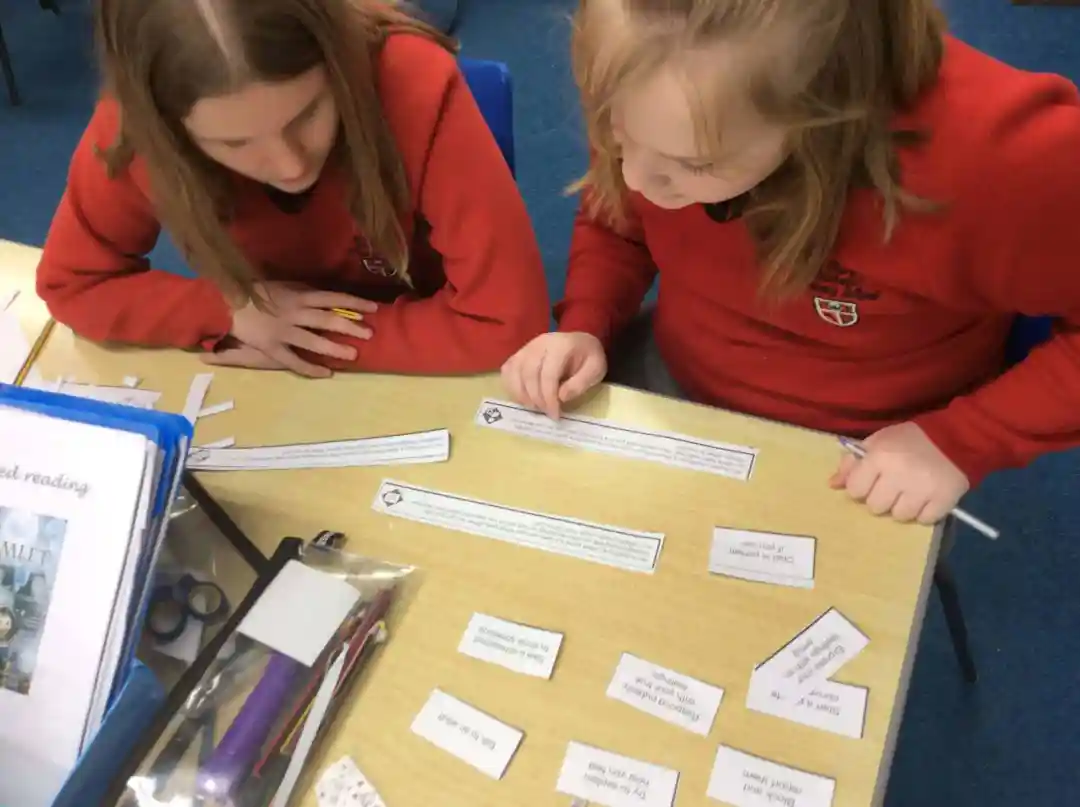
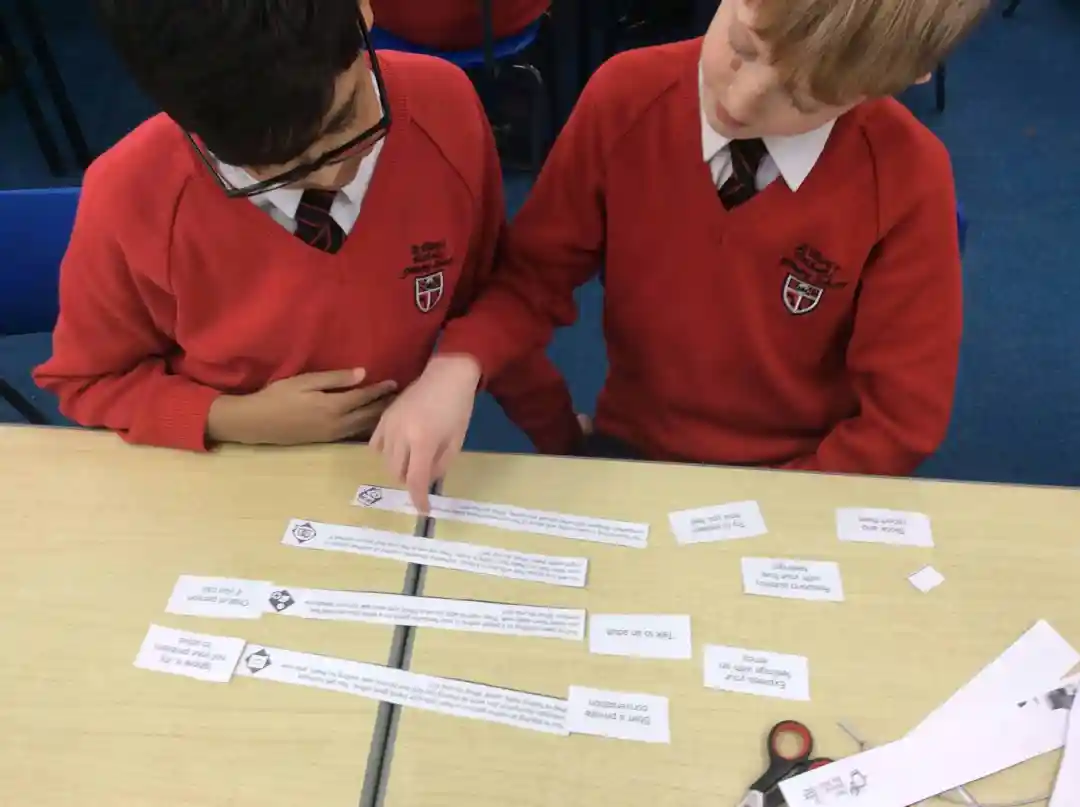
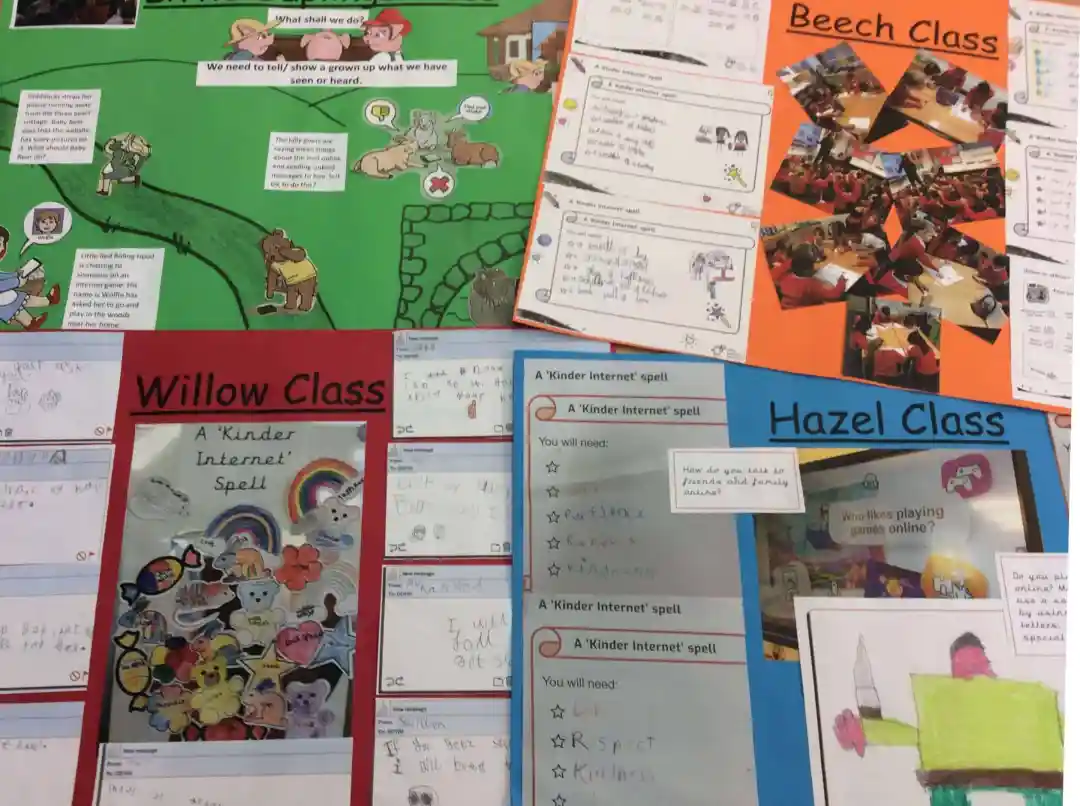
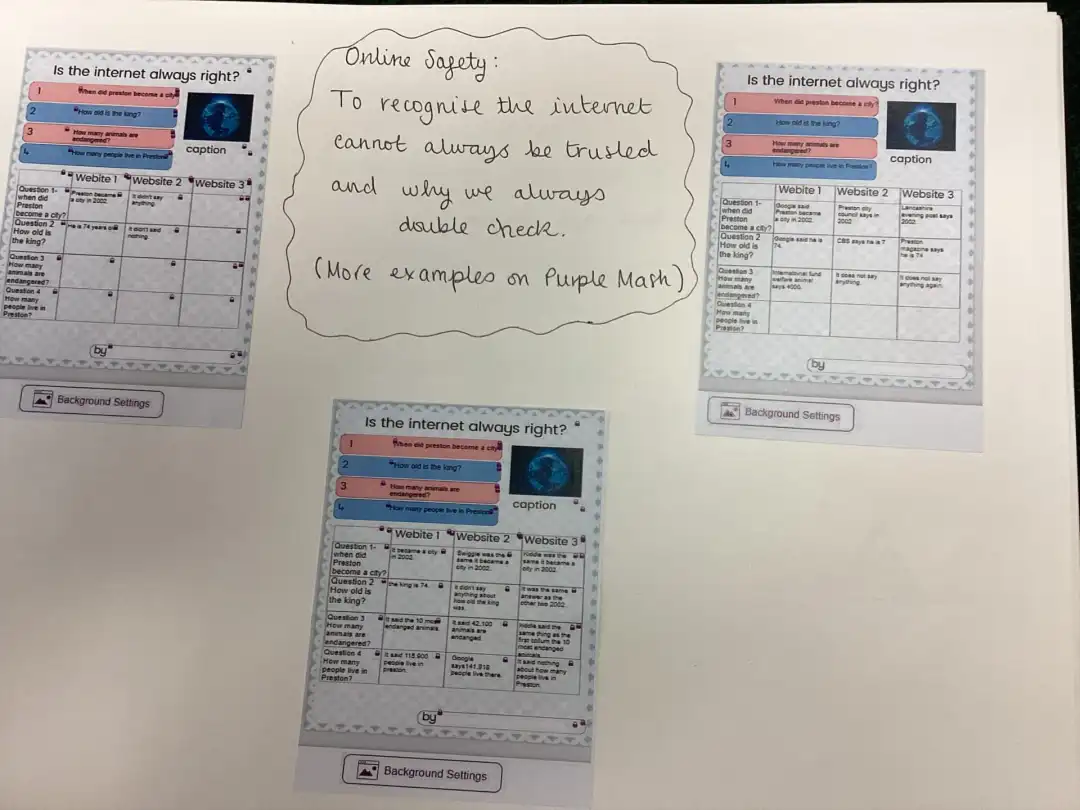
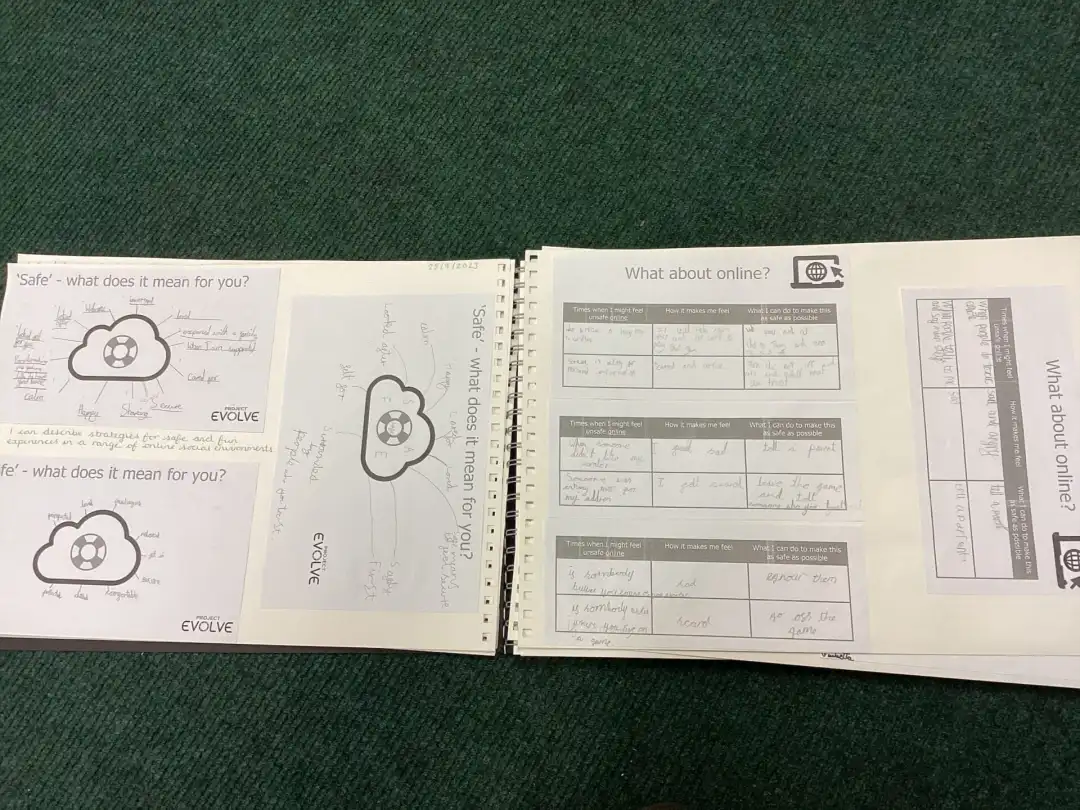
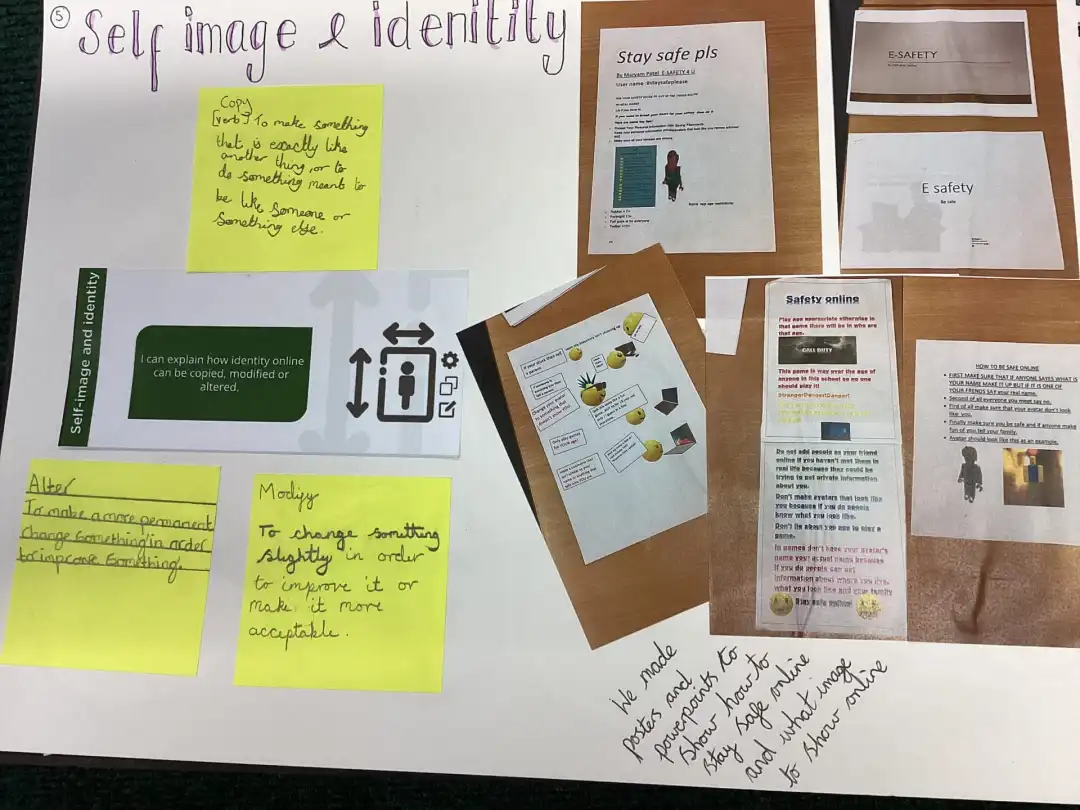
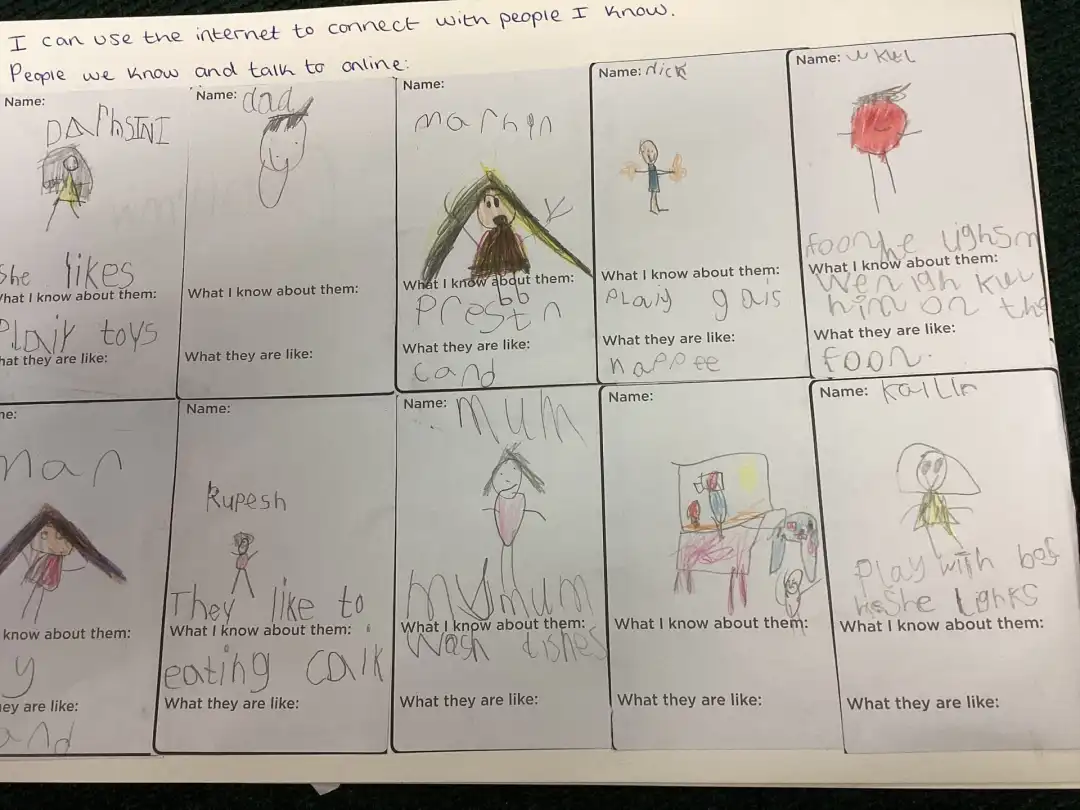
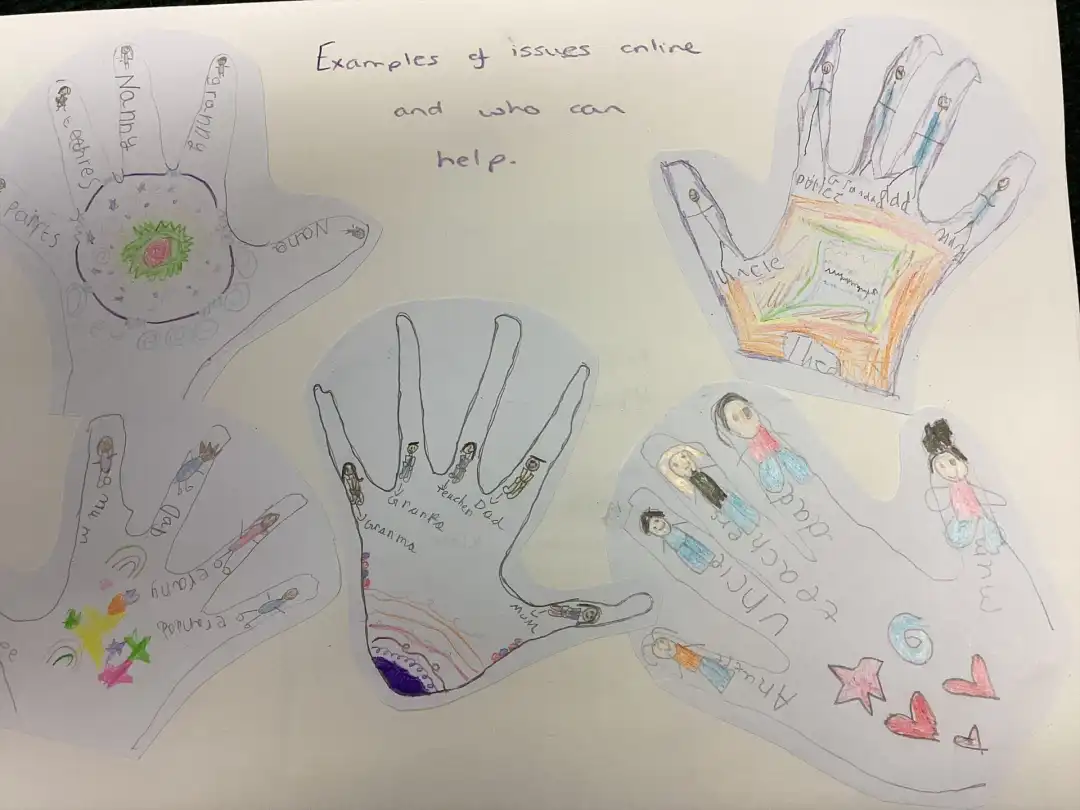
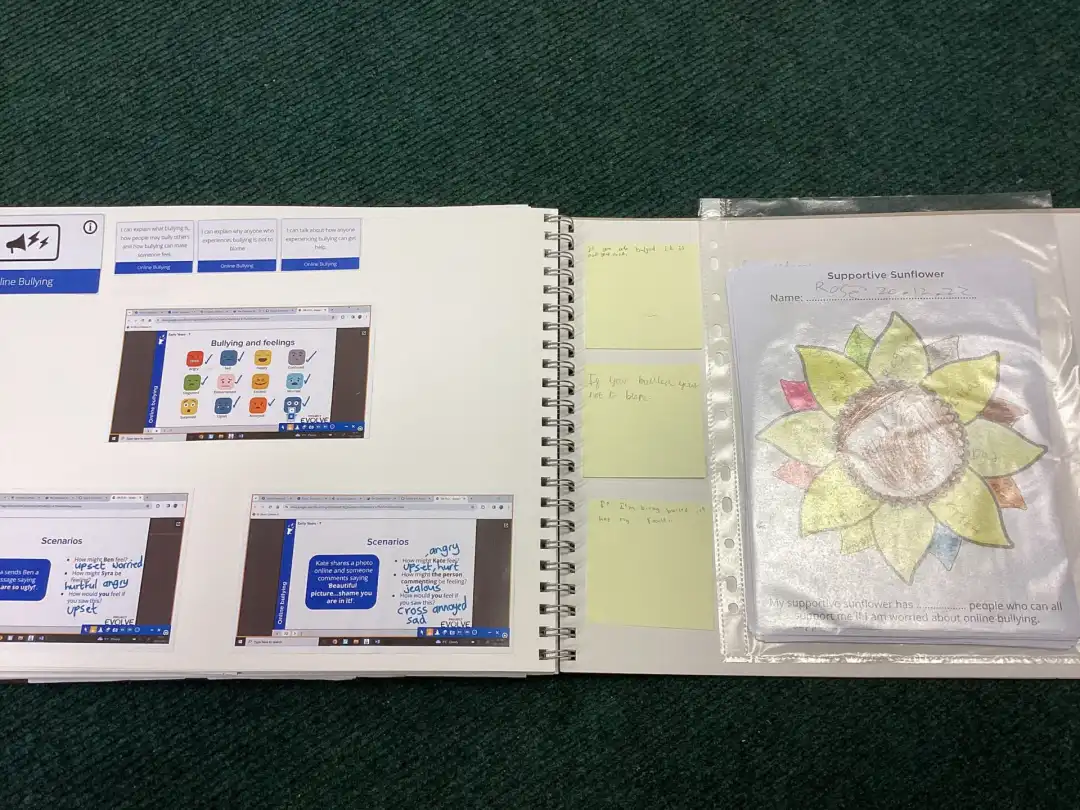
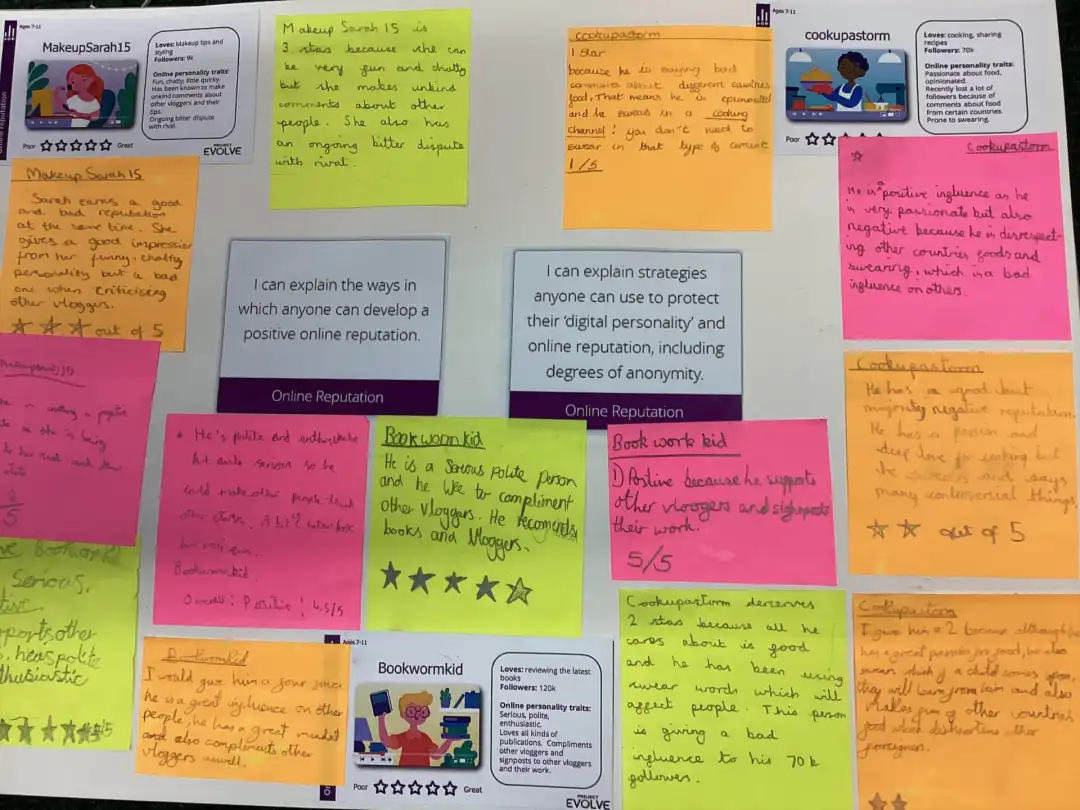
Online safety is a core and continuous thread running through our computing curriculum from EYFS to Key Stage 2. Children are taught how to use technology safely, respectfully and responsibly, including how to protect personal information, recognise unacceptable behaviour online and identify trusted adults and reporting routes if they have concerns. Through Project Evolve, learning is age-appropriate and revisited regularly to ensure key messages are understood and remembered. Staff model safe digital practices and ensure clear expectations are reinforced across the school. As a result, children understand how to manage risk, stay safe online and make informed choices, supporting a strong culture of safeguarding and pupil wellbeing.
Computing in Pre-School and Reception (EYFS)
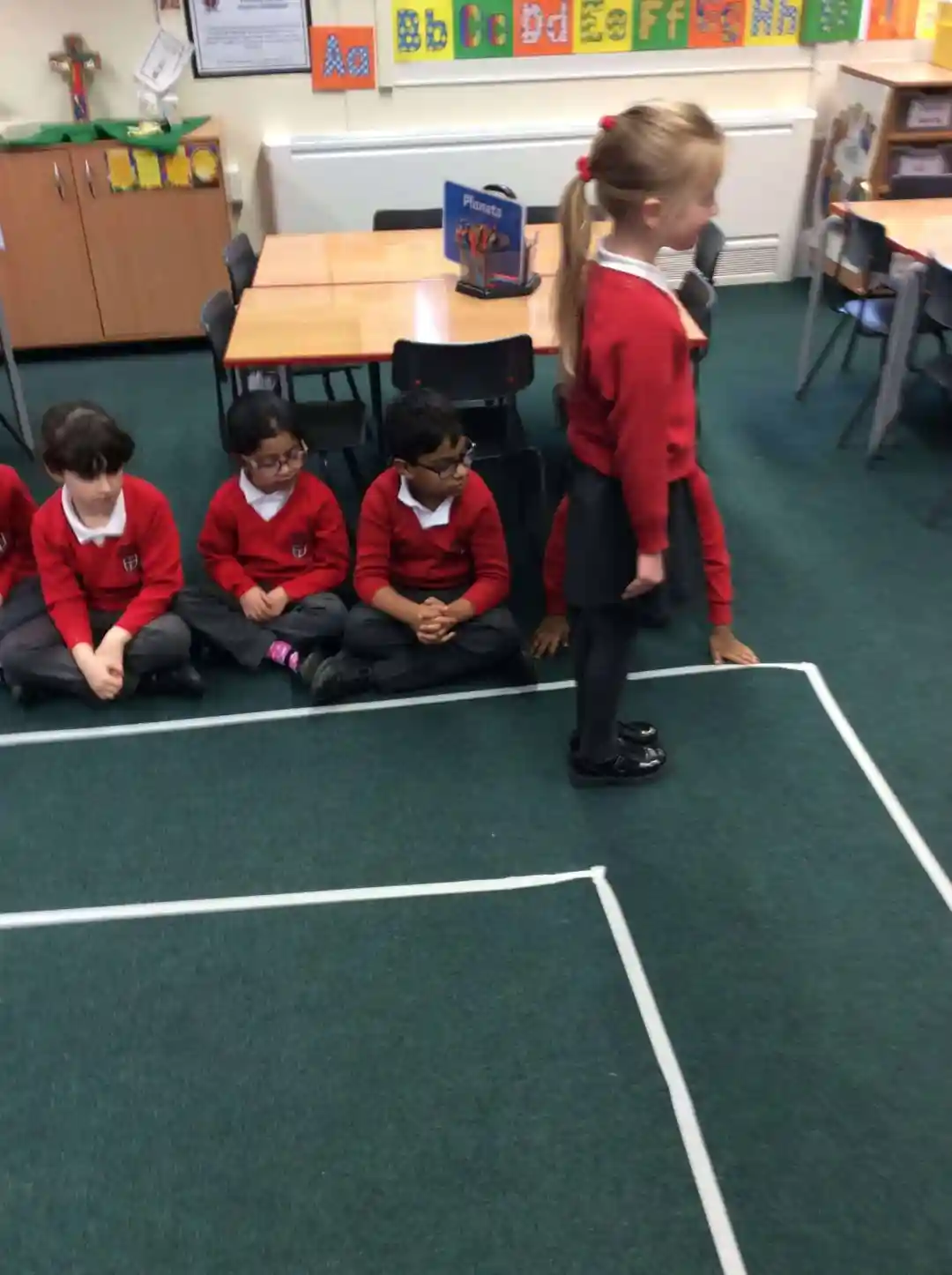
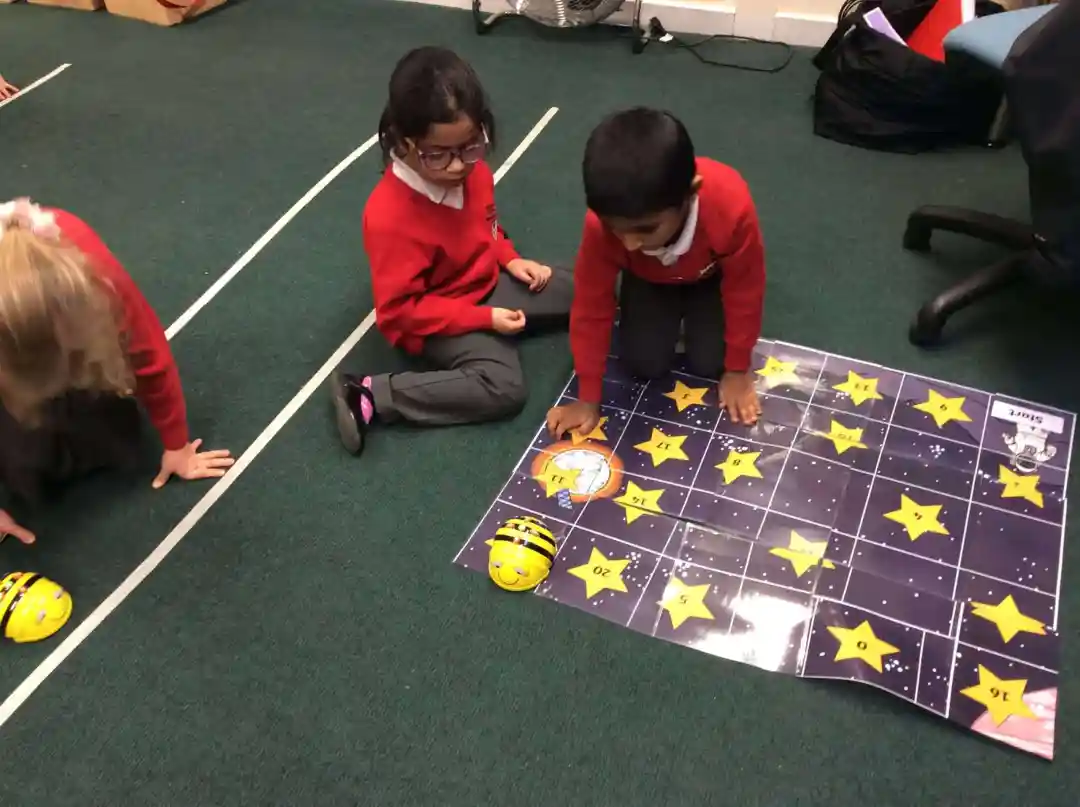
Computing in the early years supports children’s development within Understanding the World, Communication and Language, and the Characteristics of Effective Learning, while laying the foundations for later computing knowledge. In Pre-School, children begin by exploring cause and effect, noticing technology in their environment and using simple programmable and digital toys. They learn that actions have outcomes, for example by pressing buttons on programmable toys such as Bee-Bots, role-playing with technology, and recognising familiar devices used at home and in school. Adults model safe and appropriate technology use, helping children understand simple rules such as asking an adult before using devices and knowing that adults help keep them safe online.
As children move into Reception, these experiences are built upon to develop greater purpose, control and understanding. Children begin to make simple predictions, programme devices for a purpose, use technology to create digital content such as photos, videos and artwork, and select tools independently to support their learning. Online safety understanding is strengthened through regular discussion, enabling children to recognise when something makes them feel unsure and to seek adult support. Through this progression, children develop curiosity, problem-solving skills, creativity and confidence when using technology, supporting them to meet the EYFS outcomes within Understanding the World and preparing them with the foundational knowledge and behaviours required for Key Stage 1 computing.
Computer Science: Computer science is the study of computers and computing concepts. It includes both hardware and software, as well as networking and the Internet.
Computational Thinking: Computational thinking involves taking that complex problem and breaking it down into a series of small, more manageable problems (decomposition).
Information Technology: The study or use of systems (especially computers and telecommunications) for storing, retrieving, and sending information.
Data Handling: Data Handling refers to the process of gathering, recording and presenting information in a way that is helpful to others - for instance, in graphs or charts.
Digital Literacy: Digital literacy means having the skills you need to live, learn, and work in a society where communication and access to information is increasingly through digital technologies.
Please click here to view our Computing and Online Safety policies.
The Gallery
Related News
Know Yourself, Grow Yourself
Related Blog Posts
A busy week in Beech
What a busy week we have had this week.
Mrs Calman came in to sing with us on Monday and we began learning our Harvest songs. Next week we will learn a pirate shanty.
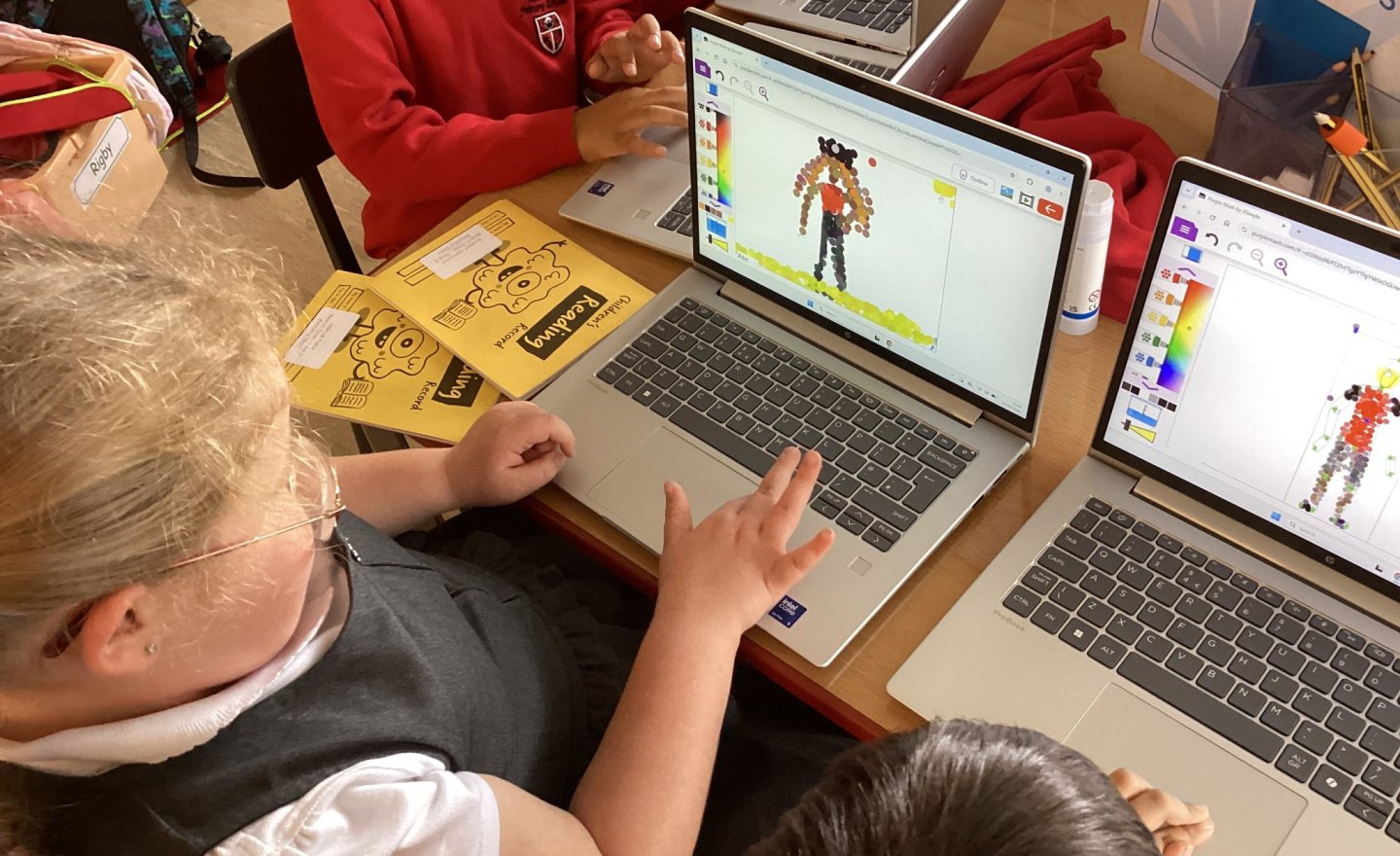
We enjoyed computing this week, creating a pirate picture using the Pointillism style. There were lots of great…
Welcome to Beech Class
A very warm welcome to Beech Class everyone!
We have now had our first full week back at school and it has been a busy one. It has been lovely getting to know each other and seeing the children settle in so well.
In computing, we logged on and used Purple Mash to create some…
STEM in Cherry
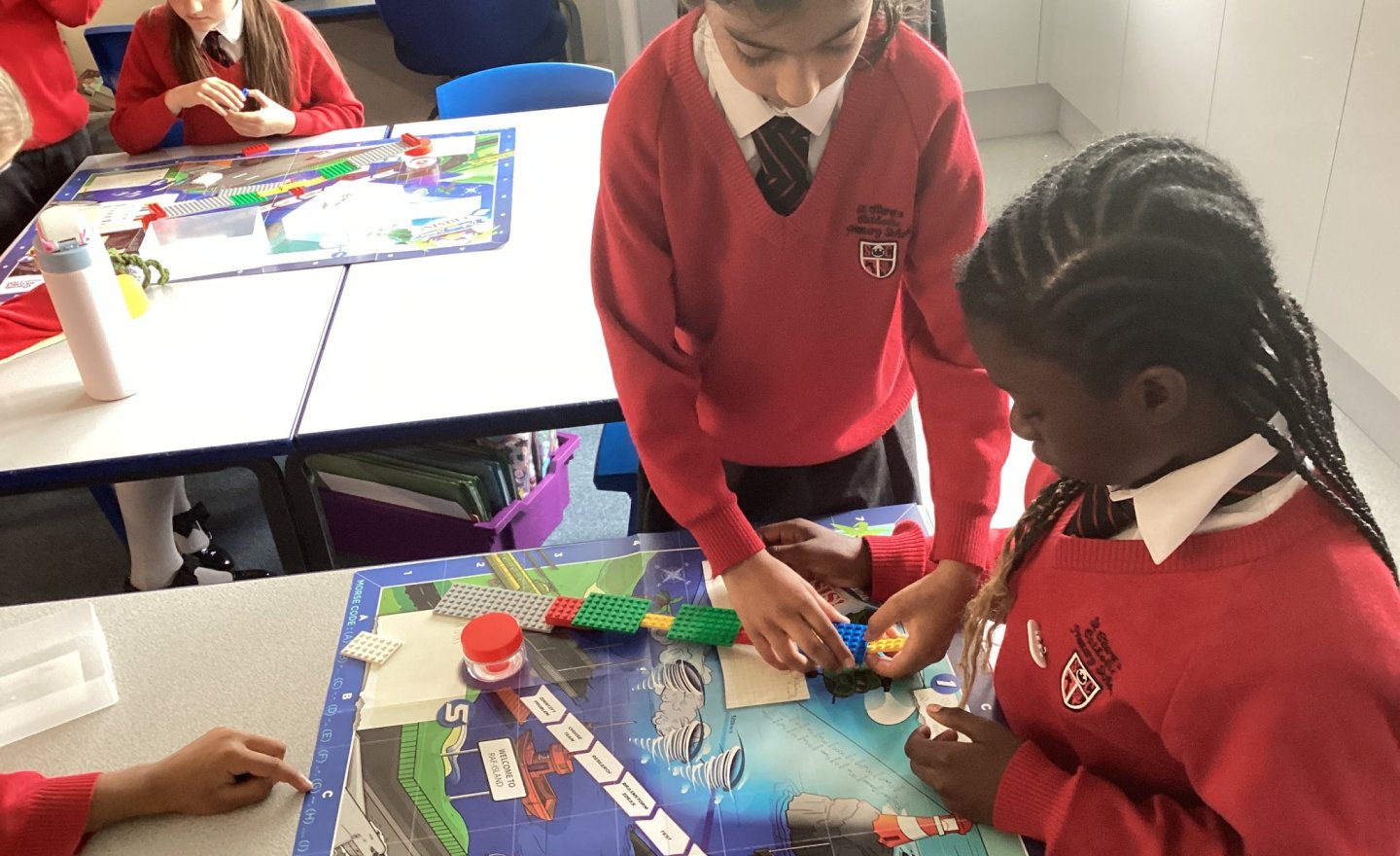
Year 5 RAF Youth STEM Workshop – Bridge Building Challenge
On Wednesday afternoon, Year 5 had an exciting opportunity to take part in a Royal Air Force Youth STEM workshop, where we became engineers for the day!
Our challenge was to design and build strong, stable bridges using a limited set…


